

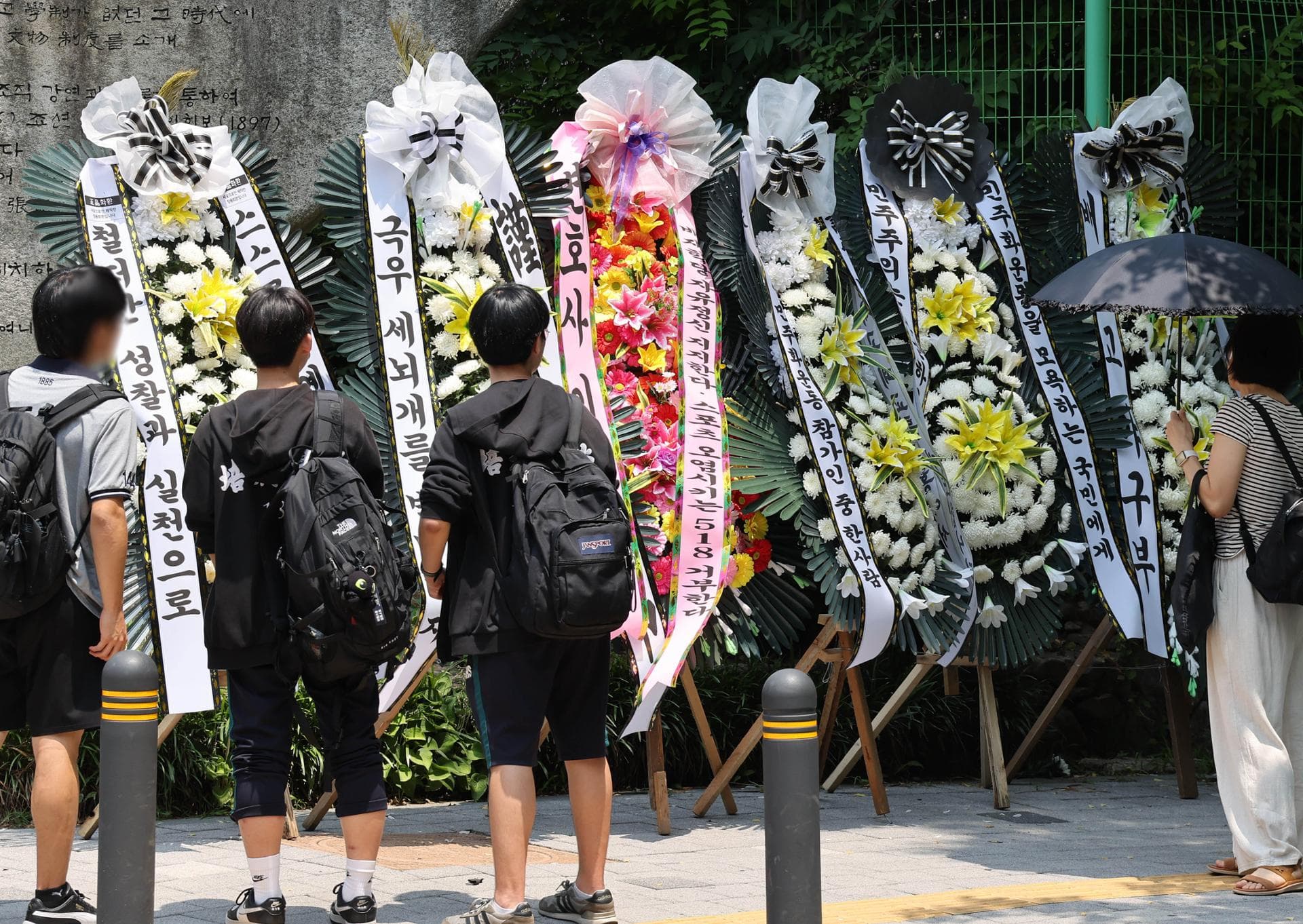
When political hatred enters the classroom
Schools should be places where young people learn to think critically, engage respectfully with differing opinions and develop the habits of democratic citizenship. They should never become arenas where political hostility and ideological contempt are normalized. Yet a recent survey of Korean teachers suggests that precisely such a transformation is taking place — and that the consequences extend far beyond the classroom. According to a survey conducted by the Korean Teachers and Education Workers Union, nearly nine in 10 teachers believe that politically charged hate speech in schools has become a serious problem. Additionally, four out of five reported frequently witnessing students using such language, while more than 70 percent said the phenomenon had intensified following the political turmoil that erupted in December 2024. The expressions cited range from insults directed at current and former presidents to xenophobic rhetoric, misogynistic slurs, historical distortions and disparaging remarks targeting minorities. Although the survey reflects teachers' perceptions rather than a